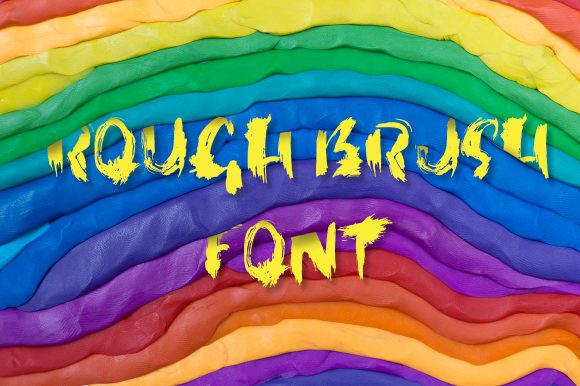
Rough Brush: The Modern Display Font with a Handmade Soul
There's a particular kind of visual energy that comes from something handmade. It feels authentic, immediate, and alive. In a world saturated with polished, perfect digital aesthetics, that handmade quality can be a powerful differentiator. This is precisely the space where Rough Brush operates. It’s a display font that captures the casual confidence of a single brush stroke, but with a clean, modern sensibility that makes it incredibly versatile. It’s not trying to be a traditional script font or a messy handwritten font; it’s something more intentional. Think of it as the typographic equivalent of a perfectly styled, slightly tousled haircut—it’s relaxed but put-together, and it makes an immediate impression.
More Than Just Letters: The Personality of Rough Brush
At its core, Rough Brush is a cute and modern brushed display font. Let’s break that down. The "cute" comes from its approachable, friendly character. The letters have a slight bounce and a friendly weight that feels welcoming, not intimidating. The "modern" aspect is in its construction. Unlike overly ornate or chaotic brush fonts, the letterforms are clean and legible. There’s a clear structure beneath the texture, which is what gives it that "simple but with a strong visual effect" quality. The brushed texture itself is the star—it provides a tactile, organic feel that adds depth and personality without overwhelming the design. This isn't a font that shouts; it speaks with confident, engaging warmth.
This personality makes it a fantastic tool for creating a specific mood. It’s the typeface you reach for when you want your brand or project to feel authentic, creative, and human. It avoids the stark coldness of some geometric sans serif fonts while steering clear of the sometimes overly formal or traditional vibe of a serif font. Instead, it carves out its own niche, offering a blend of creativity and approachability that’s hard to find.
Where Does Rough Brush Shine? Practical Applications
Understanding a font's personality is one thing; knowing where to use it is where the real value lies. Rough Brush isn't a workhorse body text font, and it shouldn't be. Its strength is in making a statement. Here’s where it truly excels:
- Logo and Brand Identity Design: This is a natural home for Rough Brush. For a boutique coffee shop, a lifestyle blog, a handmade jewelry line, or a creative agency, it can form the cornerstone of a memorable logo design. Its inherent character helps build a brand identity that feels personal and distinctive from day one.
- Marketing and Social Media: In the fast-scrolling world of social media, grabbing attention is everything. Use Rough Brush for headlines on Instagram posts, Facebook ads, or YouTube thumbnails. Its visual texture stops the scroll and draws the eye. It’s equally effective for creating compelling headers in email marketing campaigns or on landing pages.
- Packaging and Product Design: On a shelf or a website, packaging needs to tell a story quickly. Rough Brush is perfect for product names, taglines, or feature callouts on packaging for artisanal foods, cosmetics, or craft goods. It instantly communicates a level of care and creativity that mass-produced aesthetics often lack.
- Editorial and Print Design: Think beyond digital. This font can add a dynamic touch to magazine layouts, book chapter titles, event posters, or wedding invitations. It provides a striking contrast when paired with a clean serif font or sans serif font for body text, creating a sophisticated and engaging visual hierarchy.
- Web Design and Digital Projects: Used sparingly, Rough Brush can inject personality into a website. It’s ideal for hero section headlines, call-to-action buttons, or section dividers. It adds a layer of visual interest that helps a site stand out in a crowded digital landscape.
Using Rough Brush Effectively: A Designer's Perspective
Having a great creative font is only half the battle. Using it well is what separates good design from great design. Here’s some practical guidance on integrating Rough Brush into your workflow.
Pairing for Balance and Hierarchy
The golden rule with any bold display font is contrast. Pair Rough Brush with something more neutral and highly readable for body copy. A simple, clean sans serif font like Open Sans, Lato, or Montserrat creates a beautiful, modern balance. For a more classic or editorial feel, a sturdy serif font like Merriweather or Lora can provide an elegant counterpoint. The goal is to let Rough Brush be the star of the show in headlines while supporting text remains clear and comfortable to read. This font pairing strategy is fundamental to establishing a clear visual hierarchy.
Readability and Sizing
As a textured display font, Rough Brush is designed for impact at larger sizes. Its readability can diminish at very small point sizes, particularly in long sentences. Always test it at the intended size. It’s perfect for short, punchy headlines, logos, and pull quotes. Avoid using it for paragraphs of body text or fine print where clarity is paramount.
Evaluating Your Project’s Fit
Ask yourself: does the personality of Rough Brush align with my project's goals? It’s a superb fit for brands and projects that want to convey creativity, warmth, authenticity, and a modern, approachable vibe. It might be less suitable for ultra-corporate, formal, or highly technical contexts where a more neutral typeface is expected. Think about your audience. For designers, entrepreneurs, marketers, bloggers, and crafters, it often hits the right note perfectly.
Licensing and Commercial Use
If you’re using Rough Brush for client work, merchandise, or any commercial project, it’s critical to ensure you have the correct commercial font license. Most premium font licenses are clear, but always review the terms. A legitimate license is an investment in your project’s professionalism and protects you legally. It’s a standard part of working with professional design assets.
In the end, Rough Brush is more than just a collection of glyphs. It’s a tool for adding a layer of human touch and modern flair to your work. It’s about making a connection through visual design, one that feels both intentional and effortlessly cool. By understanding its strengths and applying it thoughtfully, you can leverage this modern typography