1874: A Vintage Display Font with Timeless Character
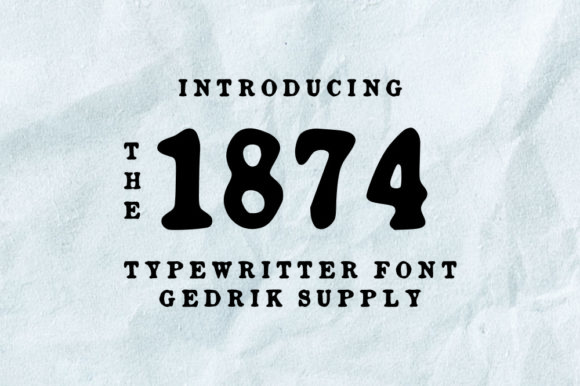
When you first encounter the 1874 typeface, it doesn't just sit on the page—it makes a statement. This isn't another generic, overused font you see everywhere. 1874 is a cool, vintage styled and incredibly unique display font that carries the weight of history while feeling surprisingly fresh. It brings a distinct personality to any project, offering designers and creators a powerful tool for making their work stand out.
The visual characteristics of 1874 are rooted in classic design principles but interpreted with a modern sensibility. You'll notice its strong serifs, balanced proportions, and distinctive letterforms that echo the craftsmanship of a bygone era. It has a confident presence, with just enough decorative flair to be interesting without becoming illegible. This premium font strikes a careful balance—it feels substantial and authoritative, yet approachable. Its style suggests heritage, quality, and a touch of nostalgia, making it ideal for projects that need to convey trust, tradition, or a handcrafted aesthetic.
Where This Creative Font Truly Shines
Understanding where a font like 1874 works best is key to unlocking its potential. As a display font, it's designed for impact at larger sizes. Think headlines, titles, logos, and hero text rather than long paragraphs of body copy. Its unique personality makes it particularly effective in several key areas.
In brand identity and logo design, 1874 can be a game-changer. For businesses that want to project reliability, artisanal quality, or a connection to the past—like boutique hotels, craft breweries, heritage brands, or specialty coffee shops—this typeface provides instant character. A logo set in 1874 feels established and intentional. It tells a story before a customer even reads the words.
For editorial design and publishing, this font excels. Book covers, magazine mastheads, and chapter headings gain immediate visual hierarchy and sophistication. It's the kind of creative font that makes a reader pause and take notice. Similarly, in packaging design, 1874 helps products stand out on a crowded shelf. Whether it's for a gourmet food label, a skincare product, or a craft item, its vintage charm communicates quality and care.
Don't overlook its power in marketing and digital spaces. While it's not for your body text, 1874 is stunning for social media graphics, website banners, and promotional posters. It cuts through the noise of uniform, system-default fonts. Use it for a sale announcement, a podcast cover, or an event flyer—it will look stunning on any poster, flyer, or print. The font's inherent style adds a layer of professionalism and creativity that generic sans serif fonts simply can't match.
Making Smart Design Choices with 1874
Choosing the right font is about more than just aesthetics; it's about fit. Before selecting 1874, ask yourself a few practical questions. Does the project's tone align with a vintage or classic feel? Is the primary use for headlines or short, impactful text? Will the audience appreciate a design with more personality? If you answered yes, you're on the right track.
A crucial step in any project is font pairing. A powerful display font like 1874 needs a partner that complements, not competes. It typically pairs beautifully with clean, simple sans serif fonts or understated serif fonts for body text. This contrast creates a clear visual hierarchy, letting 1874 command attention in headlines while the supporting text remains highly readable. Avoid pairing it with other decorative or script fonts, as this can create visual clutter. Test your pairings thoroughly—view them at different sizes and in context to ensure they work harmoniously.
Take time to explore the full family of 1874. Many premium fonts include multiple styles—such as regular, bold, italic, or condensed versions. These variations give you more flexibility and help maintain brand consistency across different applications. You might use the bold weight for a strong headline and the regular weight for a subheading, creating a cohesive system from a single typeface.
Readability is always paramount. While 1874 is designed for display, you must still ensure it remains legible at the size you're using it. Test it in your specific context—on a mobile screen, in print, at a distance. Check that letter spacing and word spacing are appropriate. A beautiful font loses all value if people can't read the message.
Finally, consider licensing. If you're using 1874 for commercial work—which includes client projects, products for sale, or business marketing—ensure you have the correct commercial font license. Using design assets properly is not just a legal requirement; it's a mark of professionalism that supports the type designers who create these tools.
Unleashing Endless Possibilities
The true value of a font like 1874 lies in its versatility within its niche. It's not a font for every job, but for the right job, it's irreplaceable. It can elevate a simple wedding invitation, give a small business a memorable brand mark, or turn a standard report cover into something noteworthy. For bloggers and content creators, it offers a way to develop a distinctive visual language that audiences will come to recognize.
Entrepreneurs and small business owners can use 1874 to build a brand identity that feels authentic and substantial from day one. Marketers can leverage its attention-grabbing quality for campaigns. Hobbyists and crafters can add a professional touch to personal projects, from custom stationery to home décor.
In a world saturated with digital noise, a thoughtfully chosen typeface is a powerful differentiator. 1874 is more than just a set of letters; it's a design asset with a story. By understanding its strengths and applying it thoughtfully, you can explore its endless possibilities and create work that is not only seen but remembered.