Rainday: The Friendly Display Font for Modern Brands
Understanding the Casual Charm of the Rainday Typeface
In the world of modern typography, finding a font that balances personality with readability is often the hardest part of the design process. Many display fonts sacrifice legibility for style, becoming difficult to read in longer sentences, while others are so utilitarian that they fail to spark any emotional connection. This is where the Rainday typeface enters the conversation. It is a premium font that manages to bridge the gap between a playful aesthetic and professional utility. If you have been searching for a creative font that feels approachable, down-to-earth, and versatile, Rainday offers a solution that fits perfectly into a wide array of projects.
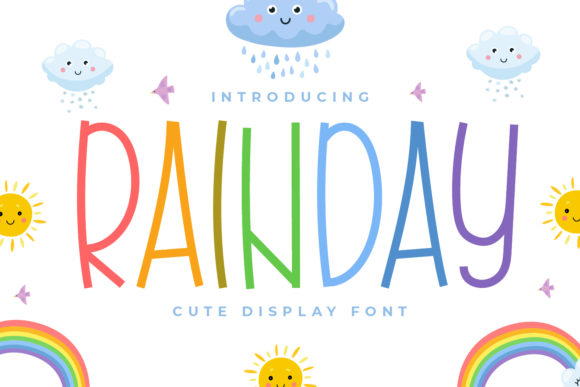
Rainday is categorized as a display font, but its design characteristics lean heavily into a handwritten aesthetic. It features rounded edges, soft curves, and a casual rhythm that mimics natural handwriting without sacrificing the consistency required for professional design assets. Unlike a chaotic script font, Rainday maintains a structured baseline and distinct letterforms. This ensures that whether you are using it for a logo design or a subheading on a website, the text remains clear and inviting. It avoids the stiffness of a traditional serif font and the cold neutrality of a standard sans serif font, opting instead for a warm, organic feel.
The visual personality of Rainday is best described as "friendly professionalism." It does not demand attention through aggressive angles or sharp edges. Instead, it draws the viewer in with a gentle, welcoming presence. This makes it an incredibly versatile tool for designers who need to communicate trust and approachability simultaneously. The font carries a sense of optimism, making it particularly effective for brands that want to appear helpful, creative, and customer-centric.
Where Rainday Fits: Real-World Applications
The true value of a font lies in its application. Rainday shines brightest in scenarios where you need to establish an immediate emotional connection with your audience. Because it is a display typeface, it is designed to be used in larger sizes, such as headers, titles, and logos. However, its high readability also allows it to work well for short paragraphs or call-to-action text where you want to break away from the rigidity of standard web design typography.
Branding and Logo Design
For small business owners and entrepreneurs, brand identity is everything. A logo sets the tone for the entire customer experience. Using Rainday for your logo or wordmark can instantly soften your brand’s image. It works exceptionally well for businesses in the lifestyle, wellness, food, and children’s sectors. A bakery, a yoga studio, or a boutique gift shop would find that Rainday captures the artisanal quality of their products. It suggests that there is a human behind the brand, which is a powerful psychological trigger for building customer loyalty.
Digital Presence and Web Design
In web design, contrast is key. While you might use a standard sans serif font for body text to ensure maximum readability on screens, Rainday can serve as a dynamic counterpoint for headings. It breaks up the monotony of a page, guiding the user’s eye to the most important information. It is also an excellent choice for social media graphics. On platforms like Instagram or Pinterest, where users scroll quickly, a handwritten font like Rainday can stop the scroll. It feels authentic and personal, much like a note from a friend, which increases engagement rates on quotes, announcements, and promotional banners.
Publishing and Editorial Design
For publishers and content creators, Rainday offers a refreshing alternative to the standard serif font used in traditional editorial design. It is perfect for pull quotes, chapter titles, or magazine headers. If you are designing a digital newsletter or a blog layout, using Rainday for key headings can inject personality into the content without looking unprofessional. It helps to create a visual hierarchy that is easy for the reader to navigate, distinguishing between the heavy lifting of the body text and the high-level summary of the headings.
Packaging and Physical Products
When it comes to packaging design, the texture of the font matters. Rainday has a tactile quality that translates beautifully to print. It looks fantastic on merchandise such as t-shirts, tote bags, and mugs. Because the font is legible at various sizes, it works well for product labels where space might be limited but personality is required. It bridges the gap between a modern typography trend and a timeless, handwritten style.
Strategic Typography: How Rainday Influences Perception
Choosing a font is not merely an aesthetic decision; it is a strategic one. The typeface you select influences how your audience perceives your brand’s reliability and tone. Rainday influences perception by reducing the psychological distance between the brand and the consumer. When a user sees a handwritten-style display font, they subconsciously associate the message with human effort and sincerity, rather than corporate automation.
However, using a creative font like Rainday effectively requires an understanding of visual hierarchy. You should avoid using it for long blocks of body text. While it is readable, a display font is meant to accentuate, not dominate. The best practice is to pair Rainday with a clean, neutral sans serif font for the body copy. This creates a balanced composition where Rainday handles the "emotion" and the secondary font handles the "information." This font pairing strategy ensures that your design remains professional while retaining that distinct, friendly character.
Practical Guide to Using Rainday
Before integrating Rainday into your next project, it is helpful to evaluate its technical specifications and licensing. As a premium font, it comes with the polished kerning and spacing that free alternatives often lack. Here is how to get the most out of this design asset:
- Evaluate the Project Fit: Ask yourself if the project requires a human touch. If you are designing for a legal firm or a high-tech industrial manufacturer, Rainday might be too casual. If you are designing for a lifestyle brand, a children’s book, or a community event, it is an ideal fit.
- Test the Pairings: Before finalizing your design, test Rainday against different body fonts. A geometric sans serif often works best, providing a clean canvas that allows Rainday’s curves to stand out. Avoid pairing it with a decorative script font, as this can create visual clutter.
- Review the Styles: Check if the font family includes different weights or styles. Having access to a bold or light version of Rainday can significantly expand your design options, allowing you to create a more nuanced hierarchy within your layout.
- Consider the Context: Pay attention to the background color and surrounding elements. Rainday works best when it has a bit of breathing room. Avoid crowding the text with heavy graphics or placing it over busy textures that might make the letterforms difficult to distinguish.
- Licensing for Commercial Use: Always ensure you have the correct commercial license if you are using the font for client work, merchandise for sale, or large-scale distribution. Respecting the licensing terms protects your business and supports the type designers who create these valuable tools.
Ultimately, Rainday is more than just a collection of glyphs; it is a tool for communication. It allows designers, marketers, and business owners to express ideas with warmth and clarity. Whether you are refreshing a logo, launching a new website, or designing a line of merchandise, this typeface provides the perfect blend of casual charm and professional versatility. By adding Rainday to your toolkit, you are equipping yourself to create designs that feel genuine, engaging, and memorable.