Paper Inline: Adding a Joyful, Quirky Touch to Your Designs
Understanding the Unique Personality of Paper Inline
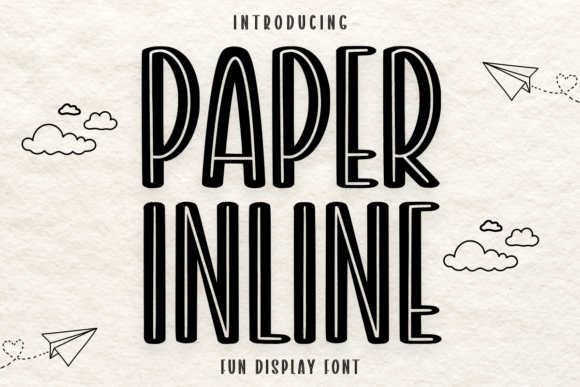
Every designer knows that typography carries weight. A typeface is rarely just a vessel for letters; it is a voice. Paper Inline speaks with a very specific dialect—it is cute, quirky, and undeniably joyful. This display font doesn't just sit on the page; it performs. With its distinct inline detailing, it offers a retro-futuristic vibe that feels both nostalgic and fresh. If you are looking to inject a sense of whimsy into your work, this premium font is a tool that demands attention.
The visual characteristics of Paper Inline are defined by its decorative nature. Unlike a standard serif font or a clean sans serif font, this typeface features strokes that are split or outlined, creating a sense of depth and texture. It mimics the look of hand-drawn lettering but retains the precision of digital design. This balance makes it a fantastic creative font for projects that need to feel approachable yet polished. It avoids the stiffness of corporate typefaces, making it ideal for brands that want to appear friendly and human.
Where to Use This Creative Font for Maximum Impact
Because Paper Inline is a display font, it shines brightest in headlines and short bursts of text. It is not designed for long-form body copy, where its intricate details might tire the reader's eye. However, for logo design, it is a powerhouse. A brand identity built around this font immediately signals creativity and fun. Imagine a children’s boutique, a quirky coffee shop, or a modern craft brewery using Paper Inline for their wordmark. It sets a tone of playfulness before the customer even reads the menu.
Packaging design is another area where this font excels. In a crowded marketplace, shelf appeal is everything. The unique texture of Paper Inline catches the light and the eye. It works beautifully on labels for artisanal goods, cosmetics, or stationery. When paired with a clean background, the font becomes the hero of the design. It turns ordinary design assets into memorable visual experiences. If you are working on editorial design, consider using it for pull quotes or chapter titles in a lifestyle magazine to break the monotony of standard text layouts.
Digital applications are just as valid. For web design, Paper Inline can be used for hero section headlines or call-to-action buttons. It draws the cursor in and encourages interaction. On social media graphics, where you have seconds to stop a user from scrolling, this font is a secret weapon. Its "thumb-stopping" power lies in its rarity; most feeds are filled with generic modern typography, so a quirky display font stands out immediately.
Influencing Brand Perception and Audience Engagement
Typography influences how we feel about a brand. A heavy, bold font suggests strength and authority. A flowing script font suggests elegance and romance. Paper Inline suggests joy. By incorporating this display font into your visual hierarchy, you are telling your audience that your brand doesn't take itself too seriously, but it does take creativity seriously.
For entrepreneurs and small business owners, building a recognizable brand identity is crucial. Using a distinctive font like Paper Inline helps with recognition. When customers see that specific inline style across your website, your packaging design, and your social media graphics, they build a mental map of your brand. It creates consistency without being boring. However, it is important to use it strategically. Overusing a decorative font can make a design look cluttered. The key is to let it breathe.
Practical Guidance for Implementation
When evaluating if Paper Inline fits your project, consider the font pairing. Because this font is loud and expressive, it pairs best with something quiet and neutral. A geometric sans serif font or a simple serif font for body text will provide the necessary contrast. This ensures readability while allowing the display font to own the spotlight. Do not try to pair it with another script font or handwritten font; the result would be visual chaos.
Before finalizing your choice, always test the font in context. How does it look at different sizes? Sometimes, inline details can get lost at very small sizes, turning the text into a gray blur. Check the commercial font licensing as well. If you are a freelance designer creating assets for a client, ensure the license covers the end product's distribution. Most premium fonts offer specific tiers for this.
Finally, look at the included styles. Does the typeface come with alternates or ligatures? These extra design assets can add variety to your lettering, preventing repetitive letter shapes in headlines. Paper Inline is a tool for visual storytelling. It adds a tactile, joyful quality to digital pixels and printed ink alike. Whether you are a blogger looking to refresh your headers or a marketer designing a flyer, this font offers a distinct personality that helps your work stand out from the crowd.