Explore the Bold Personality of the Nonsense Display Font
Finding a typeface that truly captures attention without sacrificing clarity is a common challenge in modern typography. You need something that stands out, communicates a specific vibe, and remains versatile enough for real-world applications. This is where the Nonsense display font steps into the spotlight. It is a premium font designed specifically for impact, offering a unique 3D aesthetic that adds depth and character to any project. If you are looking to inject energy into your designs, Nonsense provides a creative solution that feels both contemporary and timeless.
Understanding the Visual Style of Nonsense
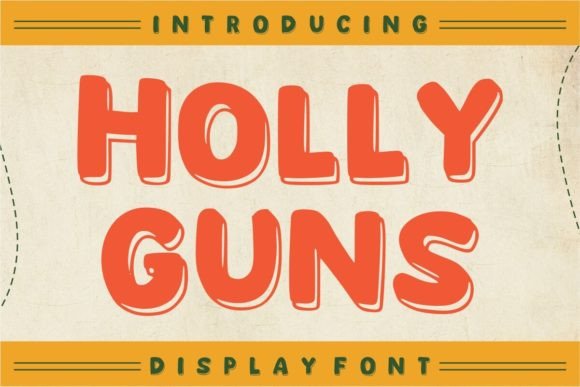
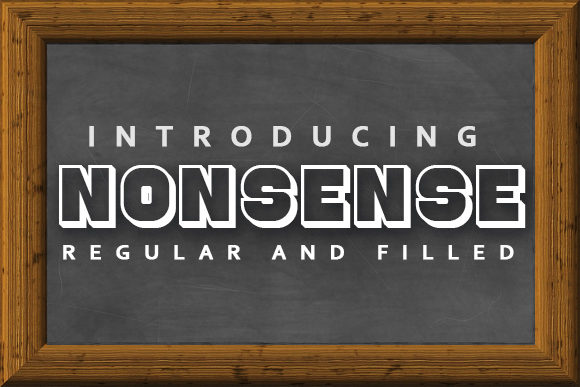
At its core, Nonsense is a display font, meaning it is engineered for headlines, logos, and short bursts of text rather than long-form body copy. Its defining feature is the subtle 3D effect integrated directly into the letterforms. This creates an illusion of depth, making the text appear to lift off the page or screen. Unlike many decorative fonts that can feel cluttered, Nonsense maintains a clean geometric structure. The letter shapes are balanced, ensuring that the 3D effect enhances readability rather than hindering it.
The personality of this typeface is bold, confident, and undeniably playful. It avoids the rigidity of standard sans serif font options while steering clear of the overly casual feel of a handwritten font. This balance makes it an incredibly useful tool for designers who want to make a statement. The visual weight of the characters is substantial, allowing it to anchor a layout effectively. When you use Nonsense, you are not just choosing a font; you are adopting a design asset that commands immediate attention.
Where to Apply the Nonsense Typeface for Maximum Impact
Because of its distinct character, Nonsense fits perfectly into a variety of creative environments. In logo design, it serves as a powerful foundation for brands that want to appear modern, energetic, and approachable. A tech startup, a gaming channel, or a youth-oriented apparel brand could use Nonsense to establish a memorable brand identity that feels fresh and relevant. The 3D styling helps the logo stand out in crowded marketplaces, offering a visual hook that standard serif font or sans serif options might lack.
Beyond branding, this font excels in packaging design. Imagine a product on a shelf surrounded by competitors using standard text. The depth and shadowing of the Nonsense typeface can draw the consumer's eye immediately. It works exceptionally well for headers on boxes, labels, and merchandise. For editorial design, consider using it for magazine covers or chapter openers where you need to set a dynamic tone. It provides a break from traditional typography, offering readers a visual surprise that keeps them engaged.
Digital spaces are equally well-suited for this font. For web design, Nonsense can transform a standard landing page into an immersive experience. It is particularly effective for hero sections, call-to-action buttons, and promotional banners. Similarly, in social media graphics, where the competition for attention is fierce, this font helps your posts stand out in the feed. Whether you are creating Instagram stories, YouTube thumbnails, or Facebook ads, the visual hierarchy created by Nonsense ensures your message is seen first.
Practical Guidance for Using the Nonsense Font
Integrating a creative font like Nonsense into your workflow requires a strategic approach. The first step is evaluating the project fit. As a display font, it is not designed for paragraphs of text. Using it for body copy would compromise legibility. Instead, use it for headlines, sub-headers, and pull quotes. Pair it with a clean, neutral typeface for the body text to create a balanced visual hierarchy. A simple sans serif font or a classic serif font often pairs well, allowing the Nonsense headlines to pop without overwhelming the reader.
When testing font pairings, look for contrast in both style and weight. Since Nonsense has a strong visual presence, your body font should be understated. This contrast ensures that the design feels organized and professional. Pay attention to the included styles and variations within the font family. Many premium font packages offer different weights or alternate characters. Exploring these variations allows you to fine-tune the look of your text, ensuring it aligns perfectly with your brand voice.
Readability is another critical consideration. While the 3D effect adds flair, you must ensure the text remains legible at the sizes you intend to use it. Test the font across different devices and screen resolutions. Check how the shadows and depth render on mobile phones versus desktop monitors. For print projects, print out a sample to see how the ink sits on the paper. These practical checks ensure that your design remains professional and accessible to your audience.
Licensing and Commercial Use
Before finalizing your design, it is essential to review the commercial licensing terms. Most premium fonts come with specific agreements regarding usage. You need to know if the license covers the specific application you have in mind, whether it is for a single client project, a print-on-demand service, or a digital product. Ensuring you have the correct license protects you legally and supports the typographers who create these valuable design assets. Always read the documentation provided with the font files to avoid any issues down the road.
Elevating Your Creative Projects
Ultimately, the goal of any design element is to facilitate communication. Nonsense achieves this by adding a layer of visual interest that standard fonts often miss. It bridges the gap between functional typography and artistic expression. For entrepreneurs and small business owners, it offers a way to build a brand identity that feels polished and distinct without requiring a massive budget for custom lettering. For designers and content creators, it provides a reliable tool for producing high-impact visuals quickly.
The versatility of this font allows it to adapt to various themes. It can feel futuristic for a tech project, playful for a children’s brand, or gritty for a streetwear label, depending on the color palette and supporting graphics you choose. By exploring the endless variations and applications of the Nonsense font, you can unlock new creative possibilities. It is more than just a set of letters; it is a design asset that helps you communicate with confidence and style. Give it a try in your next project and see how it transforms your layout.