Crazy Graffiti: Injecting Urban Energy into Your Designs
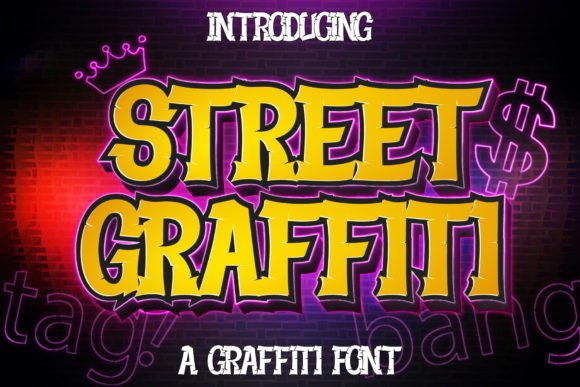
If you’ve ever walked through a city district and felt the immediate impact of a massive mural or a stylized street tag, you understand the raw energy of graffiti. Translating that vibe into a digital format without losing its soul is tricky, but that is exactly where the Crazy Graffiti typeface comes in. This is not just another font; it is a visual statement. As a bold, chunky lettered display font, it captures the essence of street art, offering a playful yet edgy aesthetic that can instantly transform a flat design into something dynamic. For designers, entrepreneurs, and content creators looking to break away from the rigidity of standard corporate typefaces, this asset provides a direct line to urban culture.
The Visual Personality of Crazy Graffiti
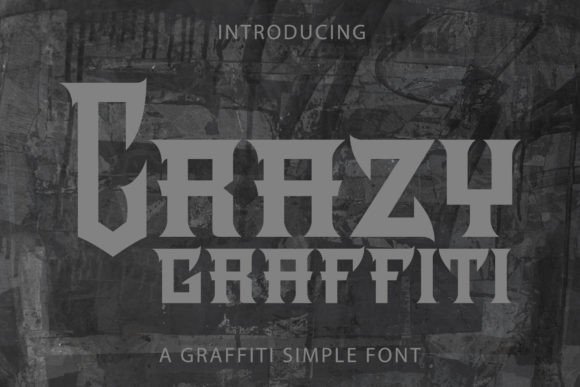
When we talk about typography, we are really talking about voice. A serif font might whisper tradition, and a sans serif font might speak with modern clarity, but Crazy Graffiti shouts with personality. The defining characteristic here is the "chunky" nature of the letterforms. These aren't delicate, thin lines; they are substantial shapes that demand attention. The style playfully mimics the look of spray paint and markers, featuring irregular edges and a sense of movement that static fonts often lack.
From a design perspective, the visual weight of this display font is heavy. It is built for impact, not for long-form reading. The letter spacing (tracking) is often tight, mimicking the overlapping nature of hand-painted signs. This creates a cohesive block of text that functions almost like a logo or an icon. Whether you are working on a logo design for a streetwear brand or crafting headers for a music blog, the aesthetic appeal lies in its authenticity. It doesn't look like a computer trying to be cool; it looks like genuine street typography adapted for the digital age.
Practical Applications: Where the Font Shines
Knowing a font looks good is one thing; knowing where to use it is the practical side of the job. Because Crazy Graffiti is a premium font with such a distinct voice, it requires specific contexts to truly shine. It is a creative font best reserved for high-impact moments rather than the bulk of your content.
Branding and Identity
For small business owners and entrepreneurs, your brand identity is your handshake. If your business caters to youth culture, extreme sports, skateboarding, or urban fashion, this typeface can serve as the cornerstone of your visual identity. It works exceptionally well for app icons, favicon designs, or the masthead of a newsletter that focuses on street culture. However, remember that a brand is a system. If you use Crazy Graffiti for your logo, ensure your supporting text uses a clean sans serif font to maintain legibility.
Digital and Social Media
In the fast-paced world of social media graphics, stopping the scroll is the goal. Crazy Graffiti is an excellent tool for Instagram stories, YouTube thumbnails, and event banners. Its bold nature ensures that text remains readable even on small mobile screens. For content creators and bloggers, consider using this font for pull quotes or section headers to break up long blocks of text. It adds a visual "rest stop" for the reader's eyes, injecting energy into the reading experience.
Packaging and Print
Packaging design relies on shelf presence. If you are designing labels for an energy drink, a snack brand, or a limited edition sneaker box, this font screams "fun." It translates well to print because its thick strokes hold up against ink bleed, which can sometimes plague thinner typefaces. In editorial design, such as a magazine cover or a poster, it can be used to highlight a specific feature story, provided the rest of the layout remains relatively subdued to let the font breathe.
Typography Strategy: Pairing and Hierarchy
One of the most common mistakes in design is using two fonts that fight for attention. Crazy Graffiti is a dominant force, so your font pairing strategy needs to be one of contrast, not competition. You generally want to avoid pairing it with other decorative fonts, such as an ornate script font or a busy handwritten font. The result would be visual chaos.
Instead, look to modern typography principles for balance. A geometric sans serif font is often the perfect partner. The clean, mechanical lines of a sans serif provide a neutral canvas that allows the graffiti style to pop without overwhelming the viewer. Alternatively, a simple serif font can create an interesting juxtaposition—a "high-low" mix of street art and classic literature—but proceed with caution here. Test your pairings early in the design process.
Visual Hierarchy and Readability
Visual hierarchy is how we guide a viewer's eye through a design. Crazy Graffiti naturally sits at the top of the hierarchy due to its boldness. Use it for H1 headers, product names, or Call-to-Action (CTA) buttons. Do not use it for body copy. Even if the font technically supports smaller sizes, the visual noise of the letterforms will make reading a paragraph exhausting for your audience.
Readability is distinct from legibility. A font can be legible (you can identify the letters) but have poor readability (reading a sentence is difficult). Because this is a display font, its readability decreases rapidly as the text length increases. Keep it short, punchy, and large.
Technical Considerations and Licensing
Before you finalize a project, you need to evaluate the technical specs and the commercial license. When you acquire a creative asset like Crazy Graffiti, check what is included. Does the font family come with different weights? Does it include alternates or ligatures? Sometimes, premium fonts include swashes or extra stylistic sets that can add even more flair to your logo design.
Licensing is a critical business consideration. If you are a crafter selling physical goods on Etsy, or a publisher using the font in a digital magazine, you need to ensure your license covers commercial use. Most standard licenses cover desktop use (creating logos, printing t-shirts), but if you plan to embed the font in an app or a website using @font-face, you may need an extended web font license. Always read the End User License Agreement (EULA) to protect your business.
Testing Your Design
Finally, treat your design like a prototype. Test Crazy Graffiti in different environments. How does it look on a dark background versus a light one? Does the "grunge" texture of the font disappear when printed on rough cardboard? Does it render well on older web browsers? By stress-testing the font across your design assets, you ensure that the urban energy you love on screen translates perfectly to the real world. When used thoughtfully, this typeface doesn't just display words; it creates an atmosphere. It is a powerful tool for anyone looking to inject personality and street-level authenticity into their work.