Bunny Smile: The Display Font That Radiates Whimsy
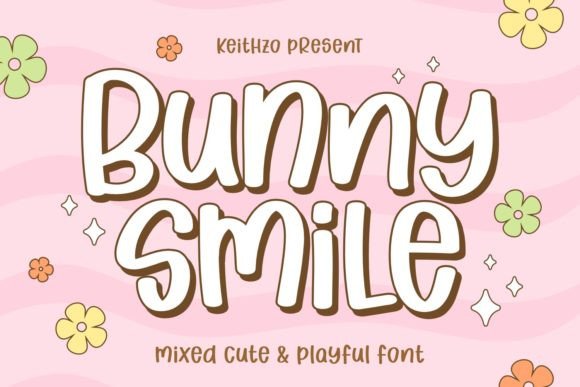
When you're working on a project that needs to feel approachable, friendly, and undeniably charming, the typeface you choose carries enormous weight. Bunny Smile is a premium font that understands this assignment completely. It's a display font with letterforms that feel handcrafted and affectionate, each character adorned with subtle, playful details that give the entire typeface a distinct personality. Think of it as the typographic equivalent of a warm greeting card or a children's boutique window display—inviting, sweet, and impossible to ignore.
Unlike a standard sans serif font or a traditional serif font, Bunny Smile occupies a specific niche in modern typography. Its rounded terminals, slightly uneven baselines, and decorative flourishes create a visual rhythm that feels organic rather than mechanical. The overall aesthetic walks a line between a handwritten font and a carefully constructed script font, though it leans more toward structured playfulness than cursive flow. This balance is what makes it versatile enough to work across a surprising range of applications.
Where Bunny Smile Truly Shines
The strength of Bunny Smile lies in projects where emotional connection matters more than corporate formality. If you're designing a logo for a children's clothing brand, a bakery specializing in custom cakes, or a pet grooming service, this creative font communicates warmth and trustworthiness instantly. It tells your audience that your brand is approachable and cares about the little details.
In packaging design, Bunny Smile can transform a product on the shelf. Imagine it on artisanal honey jars, handmade soap labels, or specialty tea boxes. The font's personality adds perceived value—it suggests that someone put genuine thought and care into the product inside. For editorial design, it works beautifully as a pull-quote font or for section headers in lifestyle magazines, recipe books, and craft publications. It draws the eye without overwhelming the surrounding body text.
Social media graphics are another natural home for this typeface. Instagram stories, Pinterest pins, and promotional posts for small businesses benefit enormously from fonts that stop the scroll. Bunny Smile does exactly that. Its distinctive character makes text-based posts feel more personal and less templated, which matters when you're competing for attention in crowded feeds. Bloggers and content creators often find that a font like this helps establish a recognizable visual identity across platforms.
Understanding Its Influence on Design and Brand Perception
Typography shapes how people interpret information before they even read a single word. When you set a headline in Bunny Smile, you're making an immediate statement about tone. The font signals playfulness, innocence, and sincerity. For brand identity work, this is powerful. A toy store, a daycare center, a greeting card company, or a wedding invitation service could anchor their entire visual language around this typeface and build genuine recognition.
However, understanding its limitations is just as important as appreciating its strengths. Bunny Smile is a display font, which means it's engineered for impact at larger sizes. Using it for body copy or long paragraphs would compromise readability and tire the reader's eye. This is where font pairing becomes essential. A clean, neutral sans serif or a simple serif typeface for body text creates the contrast that lets Bunny Smile command attention in headlines without exhausting the viewer. Think of it as the lead vocalist—it needs a solid rhythm section behind it.
Visual hierarchy benefits from this kind of intentional contrast. When Bunny Smile handles your primary headings and a straightforward typeface manages your supporting text, the reader's eye naturally flows through the content. They know exactly where to look first, what to read next, and how the information is organized. This isn't just aesthetic preference—it's functional web design and print design at its most practical.
Practical Guidance for Working with Bunny Smile
Before committing to any commercial font, spend time evaluating whether it genuinely fits your project's goals. Print out sample text at the sizes you'll actually use. Set your brand name, a tagline, and a short paragraph in Bunny Smile and look at them together. Does the personality match your audience's expectations? A financial consulting firm probably isn't the right context, but a children's bookstore absolutely is.
Test your font pairing choices carefully. Pull Bunny Smile into your layout alongside your body font and examine the relationship. The two typefaces should complement each other without competing. If your body text is too stylistically similar, the hierarchy collapses. If it's too starkly different, the design feels disjointed. Look for a body font that shares some proportional qualities—similar x-height or letter width—but maintains a quieter personality.
Review the full character set and any included styles before purchasing. Many premium fonts include alternates, ligatures, or stylistic variations that expand your creative options significantly. Bunny Smile's decorative details may offer alternate letterforms that give you flexibility across different applications. Knowing what's available upfront prevents surprises during production.
Readability testing is non-negotiable. View your designs at actual size on multiple devices if you're working in web design. Check how the font renders on screens with different resolutions. For print projects, produce physical proofs. Colors, paper stock, and printing methods all affect how a typeface appears in the final product.
Finally, confirm the licensing terms match your intended use. Most design assets come with specific commercial licenses that outline permitted applications. If you're creating merchandise, packaging, or digital products for sale, verify that your license covers those uses. This is a small administrative step that protects you legally and ensures your investment in quality typography is properly secured.
Making the Most of This Creative Font
The designers and creators who get the best results from Bunny Smile are those who treat it as a strategic choice rather than a decorative impulse. It works brilliantly when the project genuinely calls for warmth, whimsy, and personality. Wedding stationery, baby shower invitations, children's book covers, artisan food branding, boutique retail signage, and creative portfolio headers all benefit from what this typeface brings to the table.
Pair it thoughtfully, use it at appropriate sizes, and let its personality do the heavy lifting in your headlines and display text. When you match Bunny Smile to the right project, it doesn't just look cute—it becomes a recognizable element of your visual identity that audiences remember and respond to. That kind of typographic consistency builds brand recognition over time, turning a font choice into a genuine brand identity asset.
Whether you're a small business owner refreshing your visual materials, a marketer crafting campaign graphics, or a designer building out a client's brand system, Bunny Smile offers something that's increasingly rare in a world of geometric sans serifs and minimalist aesthetics: genuine, uncomplicated charm.