Bleeding Ink: The Hand-Drawn Font That Screams for Attention
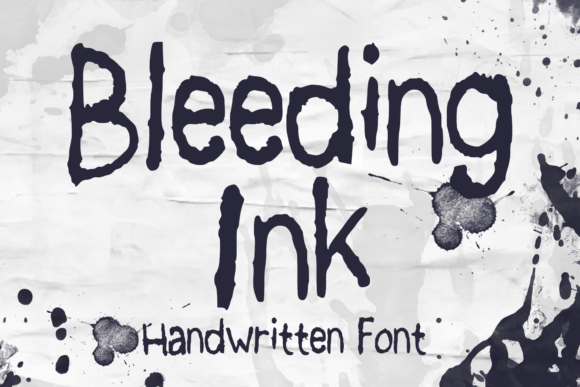
There are typefaces that whisper and typefaces that shout. Bleeding Ink is the one that kicks down the door with a grin. It’s a rough, hand-drawn display font that manages to be both raw and playful at the same time. This isn't about polished perfection; it's about energy, spontaneity, and that unmistakable human touch. The slightly uneven lines and textured strokes give it a character that feels authentically crafted, making it a powerful tool for any design that needs to cut through the noise and connect on a personal level.
Where Does Bleeding Ink Truly Shine?
Understanding a font's personality is one thing; knowing where to deploy it is where the real craft comes in. Bleeding Ink isn't a workhorse for body text—it's a specialty tool for moments that need a burst of personality. Its casual, approachable vibe makes it a natural fit for projects aiming to feel friendly, creative, and unpretentious.
Think about the physical, tangible world. On a t-shirt, Bleeding Ink can carry a witty slogan or a bold graphic with effortless cool. For book designs, particularly in genres like young adult fiction, humor, or indie zines, it can create a cover that feels immediate and engaging. Imagine a restaurant menu for a casual burger joint or a food truck; this font instantly communicates a laid-back, fun atmosphere. Greeting cards and stickers are another perfect home, where its handwritten quality adds a layer of personal warmth and charm that sterile fonts can't match.
In the digital realm, Bleeding Ink can be a game-changer for social media graphics. A bold quote, a sale announcement, or a YouTube thumbnail using this typeface will grab attention in a crowded feed. It works exceptionally well for blog writing headers or pull quotes, adding visual interest that keeps readers engaged. For logo design, it’s a choice for brands that want to project creativity, authenticity, and a hands-on ethos—think indie craft breweries, music festivals, or artisanal coffee roasters.
Making It Work: Practical Tips for Using Bleeding Ink
Choosing a creative font like Bleeding Ink is just the first step. Using it effectively requires a bit of strategy to ensure it enhances your message rather than muddies it.
- Pairing is Key: A display font with this much personality needs a stable partner. Pair it with a clean, simple serif font or a neutral sans serif font for any body copy or supporting text. This creates a clear visual hierarchy, where Bleeding Ink commands attention for headlines and the simpler font ensures readability for longer paragraphs.
- Readability First: Always test your designs at the intended size and context. While it's fantastic for large headlines, using Bleeding Ink for a 10-point caption on a busy background will likely fail. Its strength is in display applications, so respect its limits.
- Consider the Brand Voice: Does your project call for this specific energy? Bleeding Ink is perfect for brands that are playful, rebellious, artistic, or community-focused. It might not be the right fit for a corporate law firm or a luxury watch brand, where a more traditional typeface conveys the necessary trust and refinement.
- Explore the Package: Many premium font families include more than one style. Check if Bleeding Ink comes with alternates, ligatures, or different weights. These extras can add tremendous value, allowing you to create more unique and customized typography within the same font family.
- Licensing Matters: Before using it in a commercial project—be it packaging design, merchandise, or a client's web design—verify the font's license. Understanding what's allowed for personal versus commercial use is a fundamental part of professional practice and protects you and your clients.
Building Recognition with a Signature Style
In a world saturated with generic modern typography, a font like Bleeding Ink offers a shortcut to distinctiveness. Consistent use of a unique typeface across your brand identity—from your website headers to your social media posts to your physical editorial design—builds powerful recognition. When people see that rough, energetic lettering, they immediately associate it with your brand's personality.
This isn't just about aesthetics; it's about strategy. The right font pairing and application can influence how your audience perceives your professionalism and creativity. A well-chosen display font like Bleeding Ink, used thoughtfully, shows that you pay attention to detail and aren't afraid to have a clear point of view. It becomes one of your core design assets, a visual shorthand for the experience you promise.
So, if you're working on a project that needs to feel alive, handmade, and bursting with character, give Bleeding Ink a serious look. Fall in love with its rough edges and playful spirit. Use it to create designs that don't just speak—they roar with personality and leave a lasting impression.